
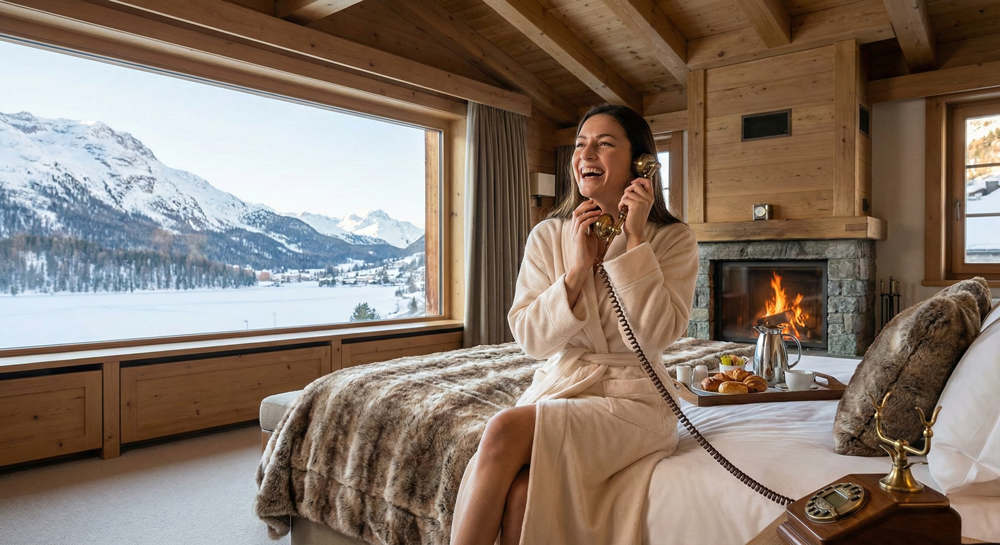
In luxury hospitality, most complaints are not about “more.” They are about friction. A guest rarely writes a long message because a room lacked a decorative object. They write because something interrupted sleep, made a morning routine harder than it should be, or forced them to call down for a basic fix. Amenities that quietly remove these moments tend to invite calmer stays and, later, more generous feedback.
Sleep amenities
When guests mention comfort, they are often referring to sleep. A strong sleep setup is more about blackout curtains that actually seal the edges, a reading light that does not spill across the room etc. Noise is its own category. Soft-close hinges and thoughtful door seals do not look like amenities, yet guests experience them as comfort. If you offer earplugs, present them discreetly and elegantly.
Bathroom amenities
Many complaints start in the bathroom because it is where guests notice function and cleanliness most quickly. Luxury standards are unforgiving here, and the “small” things become large when they disrupt routine. Plush towels that stay absorbent after repeated use. A bathmat that feels stable and hygienic. Water pressure and temperature stability that hold steady. A vanity mirror with good light, not just more light.
Then there are the items guests do not think to pack. A properly stocked vanity kit, a shaving kit that suits sensitive skin etc. A guest should not have to call reception to solve a predictable morning need.
In-room hydration
Hydration is simple, which is exactly why it becomes a point of irritation when it is confusing. Guests notice when water is abundant and when it is rationed, and they notice even more when they are unsure what is complimentary.
Provide water in a way that feels intentional. Clearly presented, consistently replenished, and with a service rhythm that matches the property. If you offer still and sparkling, make it easy to understand. If you use carafes, the sealing and cleanliness have to be impeccable.
The same logic applies to tea and coffee. Not every luxury guest wants a capsule machine, but many want the option of a good hot drink without a phone call. Quality matters, as does the setup. Cups that feel pleasant to hold. A spoon that is not missing. A discreet bin for used pods or tea bags. A layout that does not force guests to move items around just to use it.
Connectivity and charging
Technology issues are emotionally expensive. They create time loss, and time loss becomes frustration. The goal is not gadget-heavy rooms. It is reliability and clarity.
Fast, stable Wi-Fi with an onboarding flow that does not punish international travelers. Charging that works where guests actually place their devices, typically bedside and near a desk or lounge chair. A simple cable option, USB-C included, can remove a quiet annoyance without changing the room’s look.
If your rooms include TVs, the remote and casting experience should be intuitive. Guests do not want an instruction manual. They want it to work within a minute.
Storage and layout amenities that keep a room elegant
Clutter creates dissatisfaction, and dissatisfaction often reads as “the room felt smaller than expected.” Amenities that support organisation reduce that feeling.
Enough hangers, in good condition, with a few designed for coats. Luggage racks that feel stable and clean. A laundry bag that looks intentional. A small tray for jewelry and watches. These details protect the room’s visual calm while also making the stay feel considered.
Service-support amenities
The most effective complaint reduction tool is not an object. It is making help feel effortless. In-room information should be short and well written. If a guest needs housekeeping preferences, spa booking, or dining hours, it should be easy to find without scrolling through a long directory.
Conclusion
Amenities that reduce complaints remove friction in the moments guests remember most: sleep, morning routines, comfort, and control. The luxury signal comes through consistency, thoughtful placement, and reliability. When the basics feel effortless and refined, guests have fewer reasons to reach for the phone during the stay, and more reasons to describe the experience with calm confidence afterward.

Let's create a world for your guests together
















DOWNLOAD CATALOGUE BY SUBSCRIPTION
DOWNLOAD CATALOGUE BY SUBSCRIPTION

ADDRESS
Chemin du Suchet 2
1805, Jongny
Switzerland
+41 21 652 05 09
info@lgbusiness.com