
In a highly competitive market, amenities help differentiate your hotel. When guests feel everything has been thought through for them, they relax sooner, complain less and are more likely to return. The good news is that small improvements can have a big impact, especially when they address essential needs.
Which amenities make a hotel room more comfortable?
The comfort basics guests notice immediately
Start with what improves sleep and everyday ease. Offering quality pillows with two firmness options helps satisfy more guest profiles. A comfortable duvet, breathable bedding and soft sheets often do more for the guest experience than expensive decorative elements.
Blackout curtains are also a real advantage, particularly for business travellers, light sensitive guests and those affected by jet lag. A bedside lamp that is easy to use, with an accessible switch, prevents irritation at night. In urban areas, a quiet fan or a white noise option can help guests sleep better, provided it remains discreet and simple to operate.
Bathroom touches that make the difference
The bathroom is a space where comfort becomes very personal. Thick towels, a stable bath mat and a genuinely powerful hairdryer immediately improve the sense of quality. A well designed shower, with consistent water pressure and stable temperature, is often more appreciated than sophisticated design.
You can also add a few spa style elements without complicating operations. A moisturising lotion, a pleasant soap, a shower cap and a dental kit (if consistent with your positioning) create a feeling of care and attention. A magnifying mirror and effective lighting help guests get ready faster, without stress.
Everyday practicality that prevents irritation
Practicality reduces friction, so guests feel at home more quickly. A kettle with tea and coffee remains a safe bet, especially if the selection is simple and good quality. A quiet mini fridge is particularly appreciated for longer stays, or by families.
Device charging has become a constant need. Provide sockets and USB ports near the bed, and ideally near the workspace too. A sturdy luggage rack, enough hangers and a full length mirror make settling in easier on arrival. The result is a room that feels comfortable, organised and pleasant.
Small premium details that create a wow effect
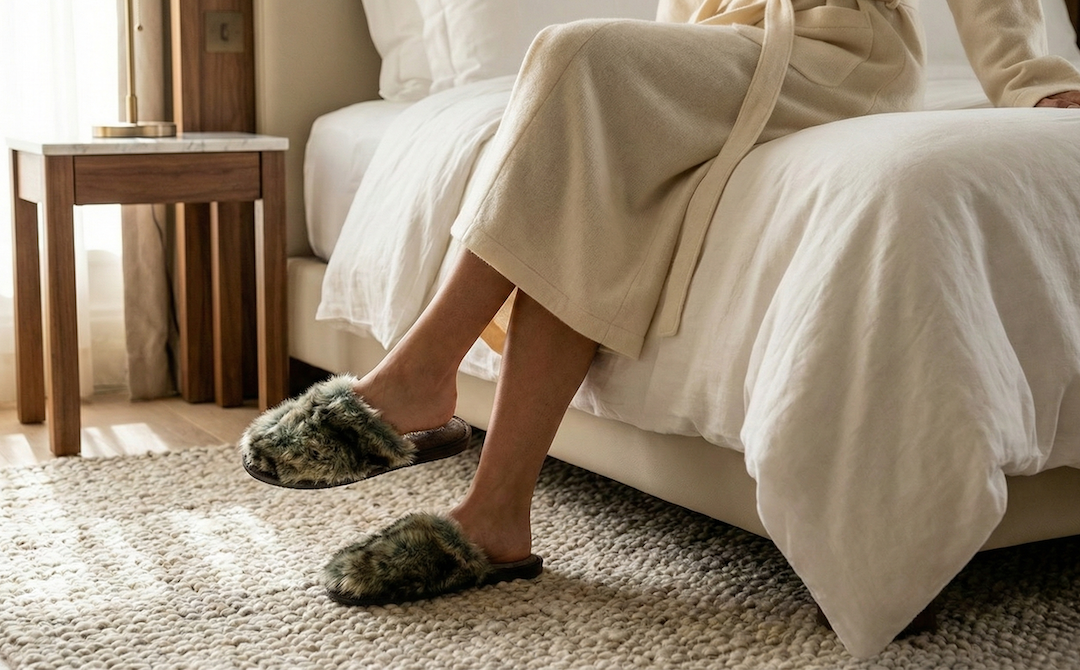
Once the basics are solid, a few premium touches can make the stay memorable. Still water and sparkling water, a small local speciality or a simple snack create a sense of attention. A quality bathrobe and comfortable slippers can easily turn an ordinary night into a more hotel like moment.
Scent also plays a role, but it must remain neutral and non intrusive. Avoid strong fragrances, as some guests are sensitive to them. Prefer clean, discreet notes through quality soaps or cleaning products, for a fresh feeling without being overpowering.
Which amenities do guests expect today?
What most guests now consider standard
Many guests now expect fast Wi Fi, a television that is easy to use and a clean workspace. If these basics do not work, everything else is judged more harshly. A bottle of water, or at the very least clear access to safe drinking water, has also become a common expectation.
In the bathroom, shampoo, conditioner and shower gel are generally considered a given depending on the hotel category. Spotless towels, tissues and a discreet toilet brush help avoid uncomfortable situations. A sewing kit and shoe polish may seem classic, but they remain useful and reinforce the feeling of being prepared for everything.
What business travellers look for
Business travellers mainly want reliability and time savings. An iron and ironing board, effective lighting, enough sockets and a comfortable chair are essential. Room quietness matters a great deal, as do simple procedures: a smooth check out, clear information and quick coffee options.
In this context, time saving elements often matter more than decorative extras. Focusing on simplicity, accessibility and perceived quality is the most profitable strategy.
What families and leisure guests appreciate
Families appreciate flexibility. A small step stool in the bathroom, a suitable cup, or access to a microwave (even outside the room) can make a real difference. Extra pillows and blankets help everyone sleep better, especially when routines are not the same.
Leisure guests look for more relaxation. A comfortable seating area, a simple selection of good local recommendations and a TV that is easy to connect to streaming improve quiet moments. Where possible, a bath option or a light spa style experience further strengthens the feeling of a proper break.
How long does it take to create and deliver in room amenities?
Standard products with simple branding
Many common items are available quickly in standard versions, depending on stock and destination. If you add simple branding, such as a printed label or a sticker, lead times usually increase. In practice, light customisation can take around two to four weeks, depending on the supplier and volume.
Ordering in volume often helps secure availability, especially during busy periods.
Fully customised amenities for your brand
Bespoke takes longer, as it involves design, approvals, samples and sometimes testing. Creating bottles, boxes or packaging in your visual identity requires a preparation phase, followed by production and assembly.
As a guideline, allow four to eight weeks for many customised productions. Complex packaging, specific materials or logistical constraints can extend this timeline. Planning approvals in advance and keeping a safety stock helps avoid shortages.
Very high end sets and bespoke collections
Premium sets, such as a complete spa collection or a range with harmonised scents, require more development. A bespoke fragrance, a specific formula or unique containers add extra steps for checks, trials and sourcing.
In these cases, timelines can reach eight to twelve weeks, sometimes longer. These projects are particularly suited to openings, rebrands and renovations, with a planned calendar.
How often should you replenish in room amenities?
Items that move quickly
Some products are used every day: toilet paper, tissues, soap, tea, coffee, water and bathroom consumables. Tracking consumption per occupied room helps fine tune ordering.
Shampoo and shower gel usage depends heavily on format, guest mix and length of stay. Longer stays often use more, especially if housekeeping is reduced. A buffer stock remains essential.
Items that need less frequent replenishment
Other items are used occasionally: sewing kits, shower caps, shoe polish and certain accessories. Even if they are not taken every stay, they must remain available, because their absence is noticeable.
Slippers and bathrobes depend on your policy. Decide clearly whether they are single use, replaced each stay, or laundered and reused. Monitor losses to control budget without degrading the experience.
Putting a simple replenishment plan in place
A good plan relies on data that is easy to track. Link the number of rooms sold to the number of units consumed over the same period. Then set a minimum threshold that covers two to four weeks of demand.
If storage space is limited, prioritise smaller and more frequent orders. If pricing is better at volume, you can negotiate split deliveries. This keeps costs under control while staying ready for occupancy peaks.
Choosing the right mix for your hotel
The best amenities are those that match your guests, your brand and your budget. Prioritise sleep, cleanliness and practicality first, as these are the foundations of satisfaction. Then add a few premium extras that are easy to manage, creating a sense of attention without complicating operations.

Let's create a world for your guests together















DOWNLOAD CATALOGUE BY SUBSCRIPTION
DOWNLOAD CATALOGUE BY SUBSCRIPTION

ADDRESS
Chemin du Suchet 2
1805, Jongny
Switzerland
+41 21 652 05 09
info@lgbusiness.com