
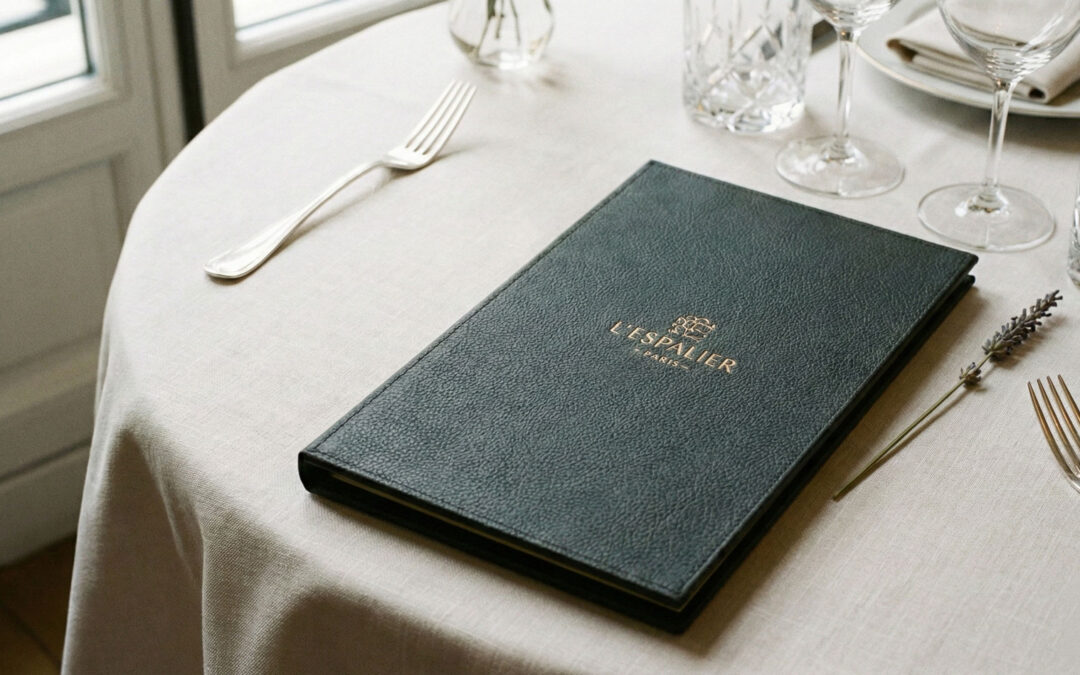
Brand presence in luxury hospitality requires restraint. Guests notice branding, but they rarely want it to dominate their environment.
This article explores the balance between subtle and loud branding and how it applies to luxury guest amenities.
Defining Subtle and Loud Branding
Subtle branding relies on discreet placement, refined typography, and controlled use of color. Loud branding is more explicit, often using larger logos and stronger contrasts.
Both approaches communicate brand identity, but they do so in very different ways.
The Luxury Guest Mindset
Luxury guests often value calm and coherence in their surroundings. Overly visible branding can disrupt this balance.
Discreet branding allows the environment and service to take priority.
Branding at Guest Touchpoints
Amenities are intimate objects. They are handled closely and used in private spaces.
Subtle logo placement and tone-on-tone techniques tend to align better with these moments.
When Strong Branding Makes Sense
There are situations where more visible branding is appropriate. Retail items, take-home packaging, or limited-edition amenities can support stronger brand presence.
Context determines how branding should be expressed.
Consistency Across the Property
Branding should feel coherent from public spaces to guest rooms.
A restrained approach in rooms combined with clearer branding in shared areas supports this balance.
Supporting Long-Term Brand Perception
Subtle branding tends to age better over time.
It allows hotels to maintain relevance without frequent redesigns.
Choosing the Right Balance
The most effective luxury branding is intentional.
By choosing restraint where it matters most, hotels create an experience that feels considered and confident.

Let's create a world for your guests together














DOWNLOAD CATALOGUE BY SUBSCRIPTION
DOWNLOAD CATALOGUE BY SUBSCRIPTION

ADDRESS
Chemin du Suchet 2
1805, Jongny
Switzerland
+41 21 652 05 09
info@lgbusiness.com