
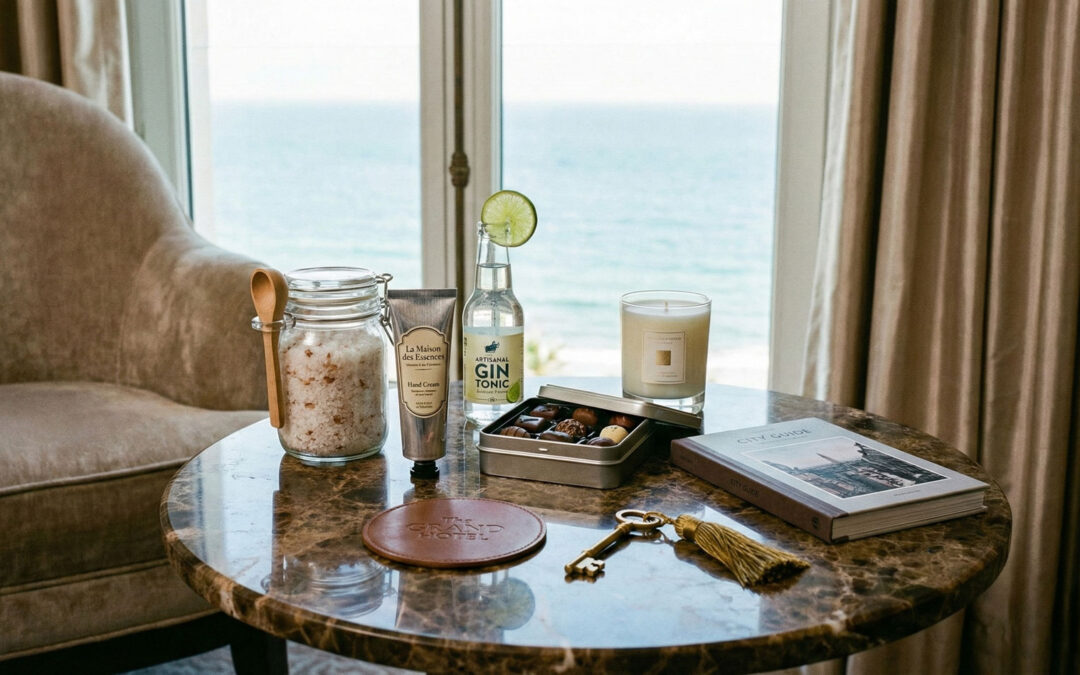
An amenity style guide provides structure across design, production, and procurement. Without clear guidelines, inconsistencies appear over time and costs increase.
This article explains what to include in an amenity style guide and why it supports both brand consistency and cost control.
Define Brand Foundations
The style guide should clearly outline brand colors, typography, logo usage, and tone. These elements form the visual baseline for all amenities.
Clear definitions reduce interpretation errors across suppliers.
Specify Materials and Finishes
Approved materials, paper stocks, textiles, and finishes should be documented.
This limits unnecessary experimentation and simplifies repeat orders.
Set Color and Print Standards
Color references such as Pantone codes and print tolerances help maintain consistency.
They also reduce rework caused by mismatched production results.
Document Dimensions and Layouts
Standard sizes and layout rules support efficient production.
They allow suppliers to reuse tooling and reduce setup costs.
Include Usage and Placement Guidelines
Guidance on how amenities are displayed in rooms supports consistent presentation.
This helps housekeeping teams maintain standards with less effort.
Align With Procurement and Operations
A good style guide considers ordering cycles, storage constraints, and supplier capabilities.
This alignment prevents costly last-minute adjustments.
Why a Style Guide Saves Money
Clear guidelines reduce redesigns, sampling rounds, and production errors.
Over time, this structure leads to faster execution and better cost control.

Let's create a world for your guests together











DOWNLOAD CATALOGUE BY SUBSCRIPTION
DOWNLOAD CATALOGUE BY SUBSCRIPTION

ADDRESS
Chemin du Suchet 2
1805, Jongny
Switzerland
+41 21 652 05 09
info@lgbusiness.com